



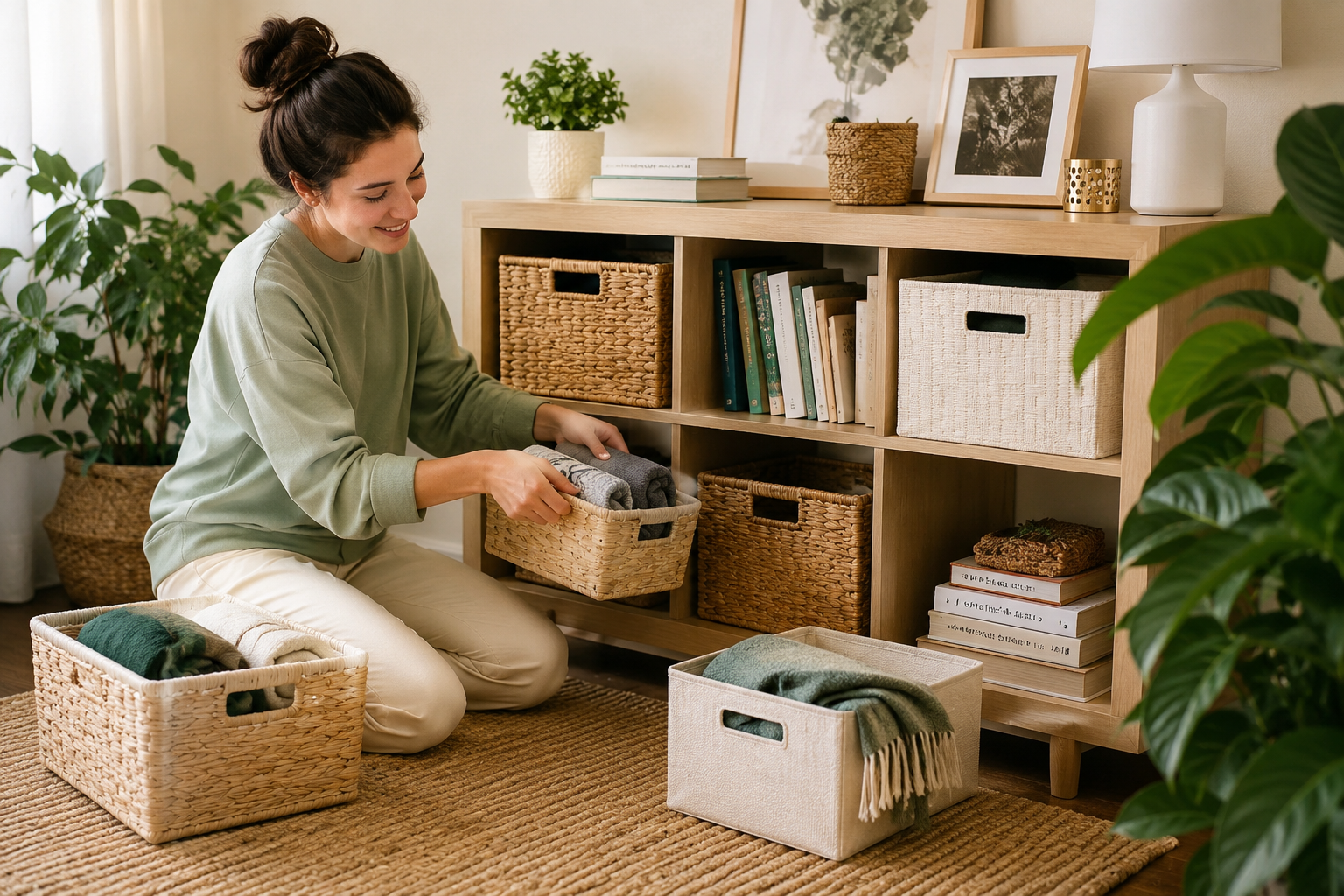
Most people think a beautiful home requires a big budget and a full-blown remodel. It doesn’t. What it actually requires is a handful of smart decoration tips applied with intention. A single room can go from flat and forgettable to warm and magazine-worthy just by rethinking color, layout, and a few small details. If you’ve ever walked into someone’s living room and wondered “why does this feel so much better than mine?” — the answer is almost never money. It’s knowledge. And that’s exactly what this guide gives you.
Below, you’ll find decoration tips that are practical, budget-friendly, and easy to apply this weekend — no interior design degree required.
Start With a Color Story, Not Just a Color
One of the most overlooked decoration tips is this: pick a color story, not a single shade. A cohesive palette of three to five tones — one dominant, one secondary, and one or two accents — creates instant harmony. Random colorful items scattered around a room, even if each one is individually pretty, tend to make a space feel chaotic.
Real-life example: A friend of mine repainted her home office in soft sage green, kept the furniture in warm oak tones, and added mustard-yellow throw pillows as an accent. The room went from “storage closet with a desk” to a space she actually enjoys working in — and she spent less than $60 on paint and pillows.
If you’re unsure where to start, pull colors from something you already love: a rug, a piece of art, even a favorite jacket. Building your decoration tips around a palette you’re naturally drawn to means you’ll rarely tire of the result.
Let Furniture Placement Do the Heavy Lifting
Furniture arrangement is one of those decoration tips people underestimate because it costs nothing but still makes a massive visual difference. A common mistake is pushing every piece against the wall. It feels practical, but it actually makes rooms look smaller and less inviting.
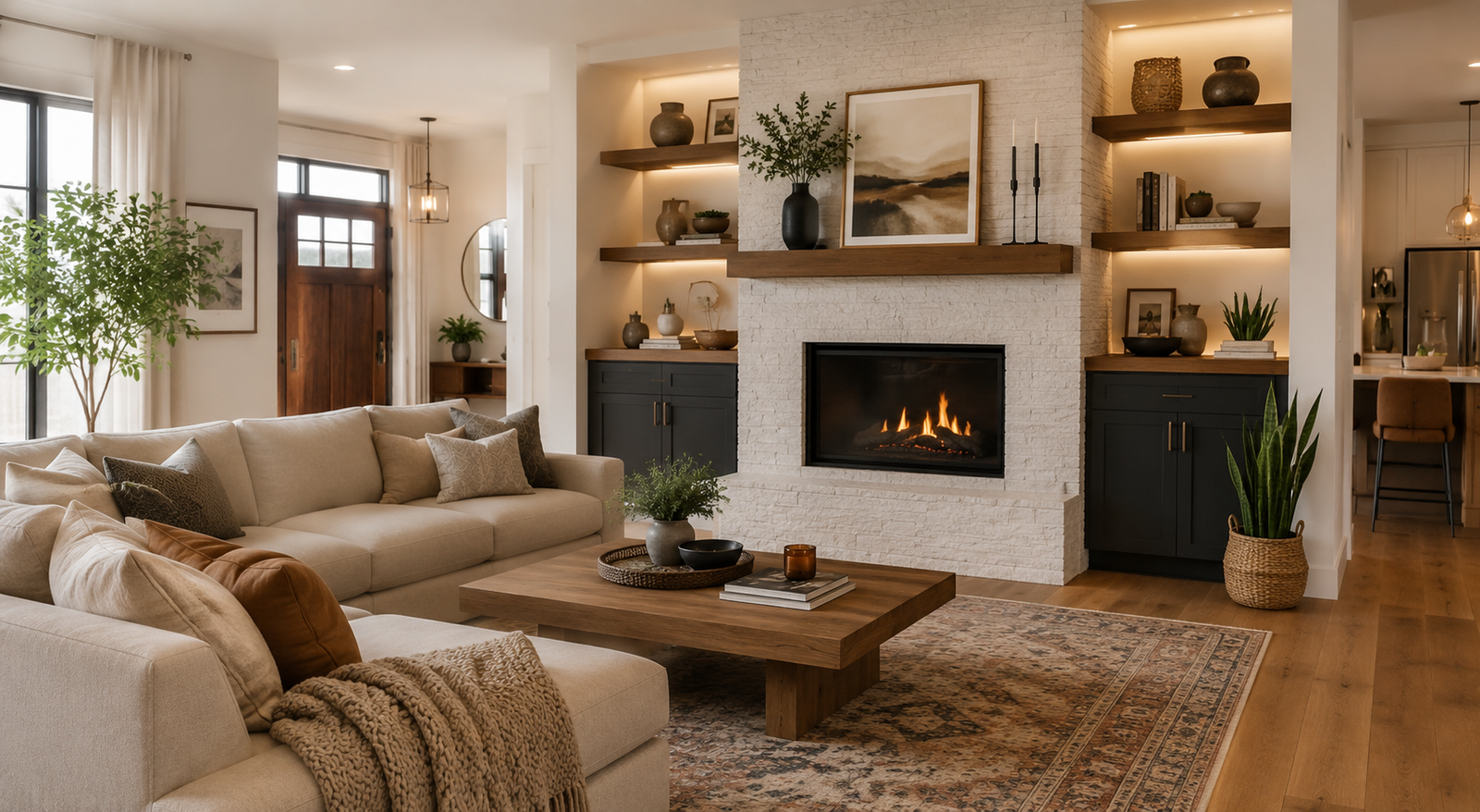
Instead, try “floating” your furniture slightly away from the walls to create a defined seating area. Angle a chair. Pull the sofa a few inches forward. Group pieces around a shared focal point — a coffee table, a fireplace, a window with a view.
Real-life example: In a compact studio apartment, simply turning the sofa 15 degrees toward the window and adding a small round table beside it made the space feel like an actual living room instead of a hallway with furniture in it.
Good decoration tips always start with function: figure out how you actually move through and use a room before deciding where things go.
Layer Your Lighting Like a Professional
Overhead lighting alone is flat and unflattering — one of the biggest decoration tips professionals swear by is layering light sources. Combine three types: ambient (ceiling or overhead), task (desk lamps, reading lights), and accent (candles, string lights, uplighting on plants or art).
This layered approach adds depth and mood that a single bulb simply cannot achieve. Warm-toned bulbs (2700K–3000K) tend to feel cozier than cool white ones, especially in living rooms and bedrooms.
Real-life example: A small dining nook felt sterile under a single overhead fixture. Adding a dimmable floor lamp in the corner and two flameless candles on the table turned dinner into an occasion rather than a chore — same room, same furniture, completely different atmosphere.
Among all decoration tips, lighting delivers the highest impact-to-cost ratio. A $20 lamp can outperform a $2,000 sofa in terms of how a room actually feels.
Use Texture to Add Depth Without Adding Clutter
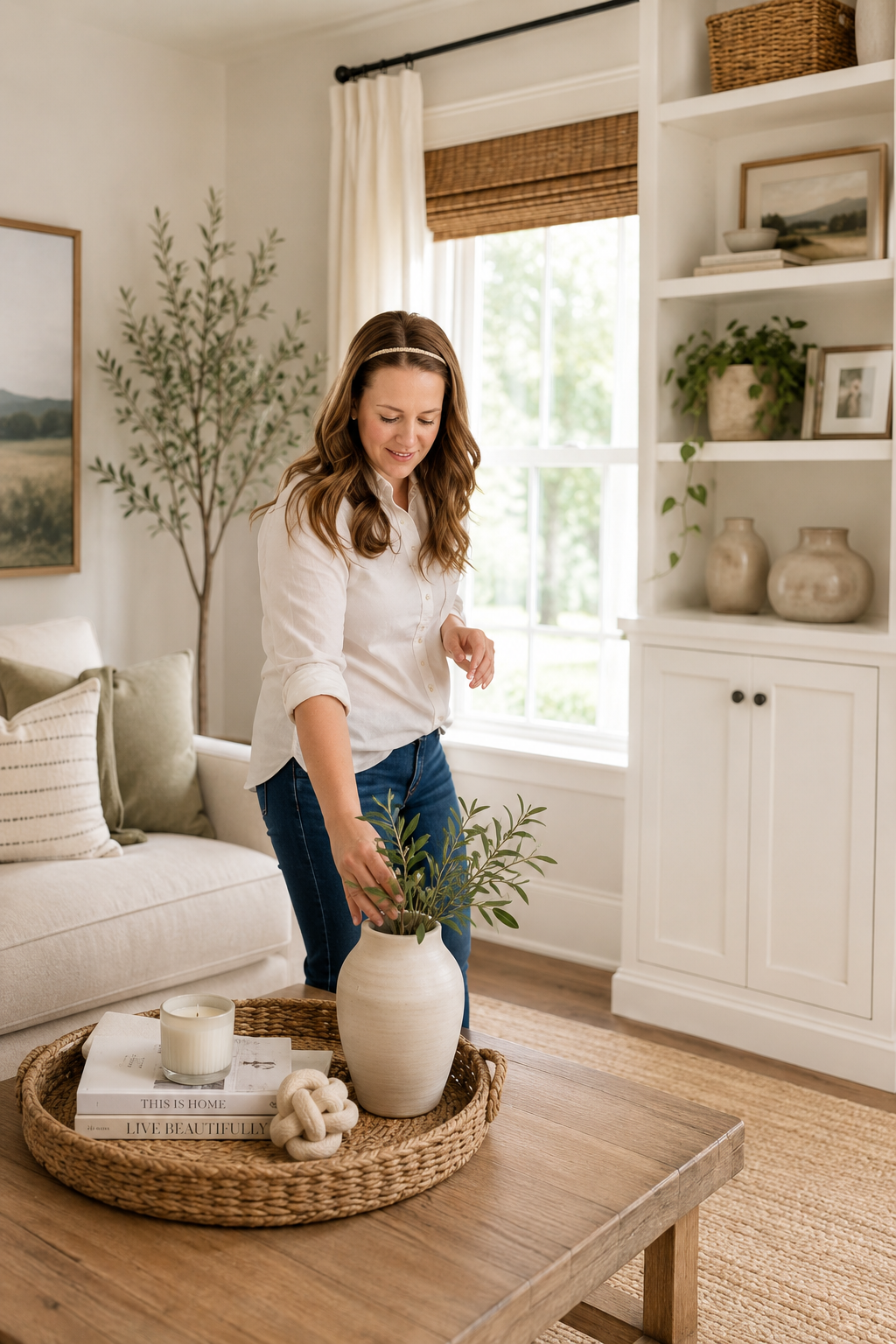
A room painted in one color and filled with smooth, matching surfaces can feel oddly lifeless. That’s where texture-focused decoration tips come in. Mix materials: a chunky knit throw, a woven jute rug, linen curtains, a ceramic vase, a leather ottoman. Texture creates visual interest even in a neutral, minimalist space.
Real-life example: A bedroom decorated entirely in white and beige risked looking bland, until the owner added a bouclé accent chair, a rattan pendant light, and a linen duvet cover. Nothing about the color scheme changed — only the materials — and the room instantly felt curated rather than empty.
If you remember only one thing from these decoration tips, let it be this: color catches the eye, but texture is what makes people want to touch and linger in a space.
Don’t Underestimate the Power of Negative Space
Not every wall needs art. Not every shelf needs to be full. Some of the best decoration tips are actually about restraint — leaving breathing room so the pieces you do choose can stand out. A gallery wall crammed edge-to-edge competes with itself. A single striking piece of art with empty space around it commands attention instead.
This applies to furniture, décor objects, and even bookshelves. Styling a shelf with a few curated items and some open space looks intentional; cramming it full looks cluttered, no matter how nice each individual item is.
Real-life example: A cluttered bookshelf with dozens of trinkets was edited down to a handful of favorite books, one plant, and a single framed photo. The result looked far more expensive and thoughtful — despite removing items rather than adding them.
Bring the Outdoors In
Plants remain one of the simplest and most effective decoration tips available, and for good reason. Greenery softens hard edges, adds natural color, and improves air quality. You don’t need a green thumb — snake plants, pothos, and ZZ plants tolerate neglect and low light while still looking lush.
Real-life example: A gray, minimalist kitchen felt clinical until a row of small potted herbs was added to the windowsill. The plants cost under $15 total and made the whole room feel alive, fresh, and considerably warmer.
If live plants feel intimidating, high-quality faux greenery has come a long way and can achieve a similar visual softness.
Personalize With Intention, Not Just Accumulation
The final piece among these decoration tips is the one that makes a house feel like your home: personal touches, chosen deliberately. This isn’t about filling every surface with souvenirs — it’s about choosing a few meaningful objects that tell a story. A piece of pottery from a trip, a black-and-white family photo, a handwritten letter framed on the wall.
Generic décor might look nice in a showroom, but personal items are what make guests linger and ask questions. They’re also what separates a house that looks styled from a home that feels lived-in.
Real-life example: A couple replaced generic mass-produced wall art with a framed map marking every city they’d traveled together. It cost about the same as the store-bought print it replaced, but visitors now ask about it every single time.
Bringing It All Together
Great decoration tips aren’t about spending more — they’re about seeing your space more clearly. Start with a color story that feels like you. Arrange furniture around how you actually live, not just how it looks in a photo. Layer your lighting instead of relying on one harsh overhead bulb. Mix in texture, embrace some empty space, add a little greenery, and finish with objects that mean something to you.
None of these decoration tips require a big budget or a total overhaul. Pick one room, apply two or three of these ideas this weekend, and notice how different it feels by Sunday night. Small, intentional changes — repeated room by room — are how ordinary houses slowly become homes people genuinely love coming back to.
read more trending blogs on world daily drift.