



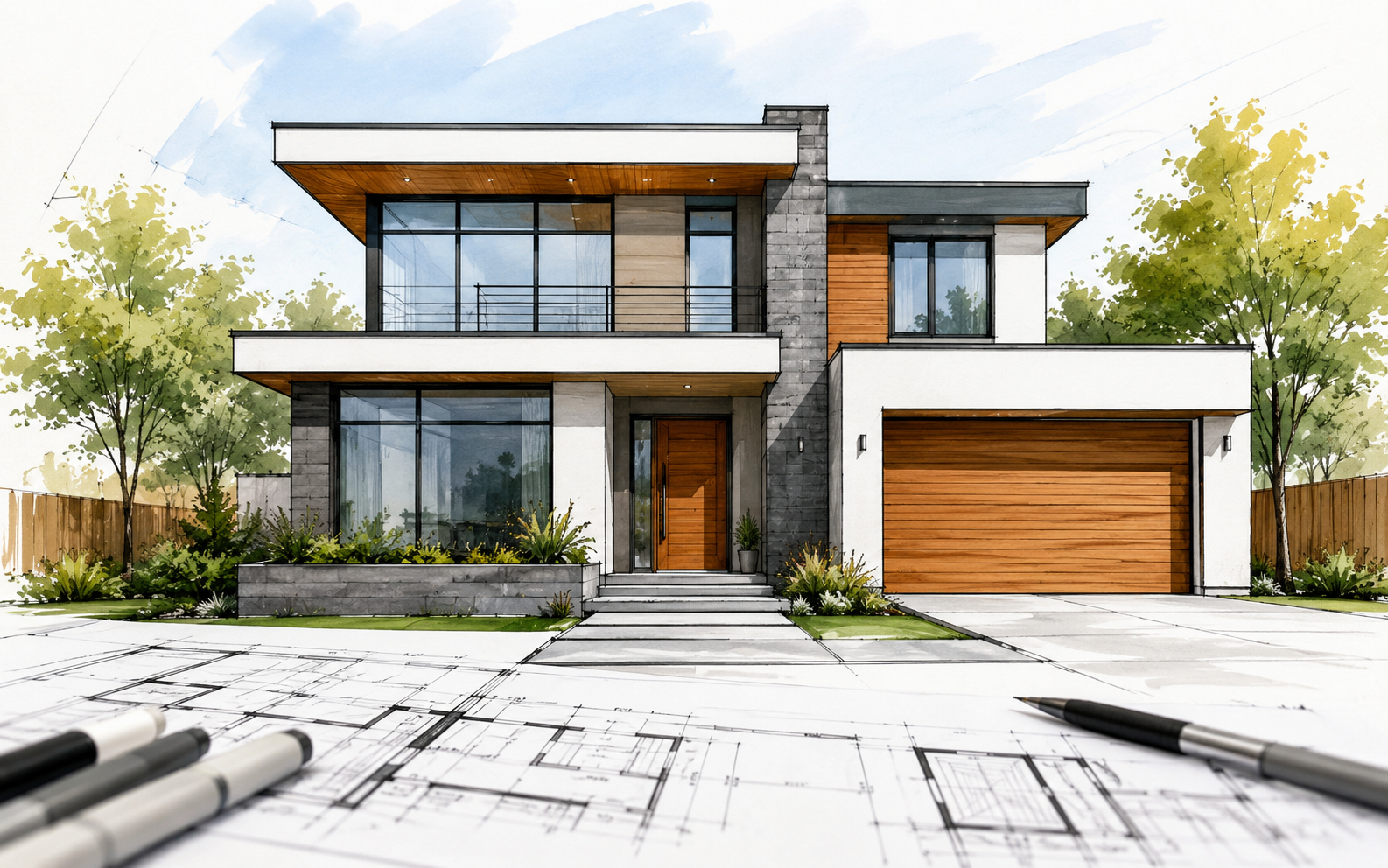
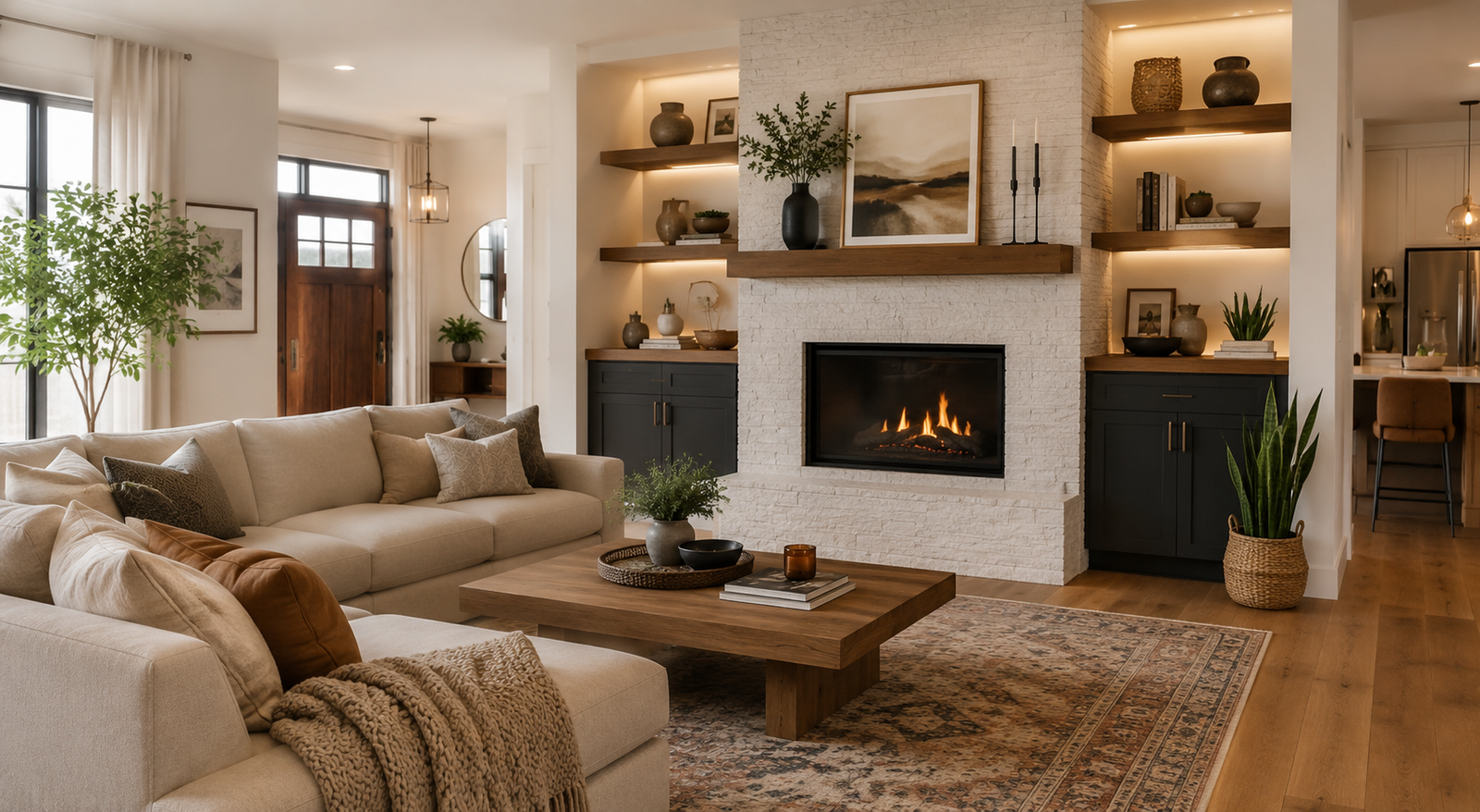
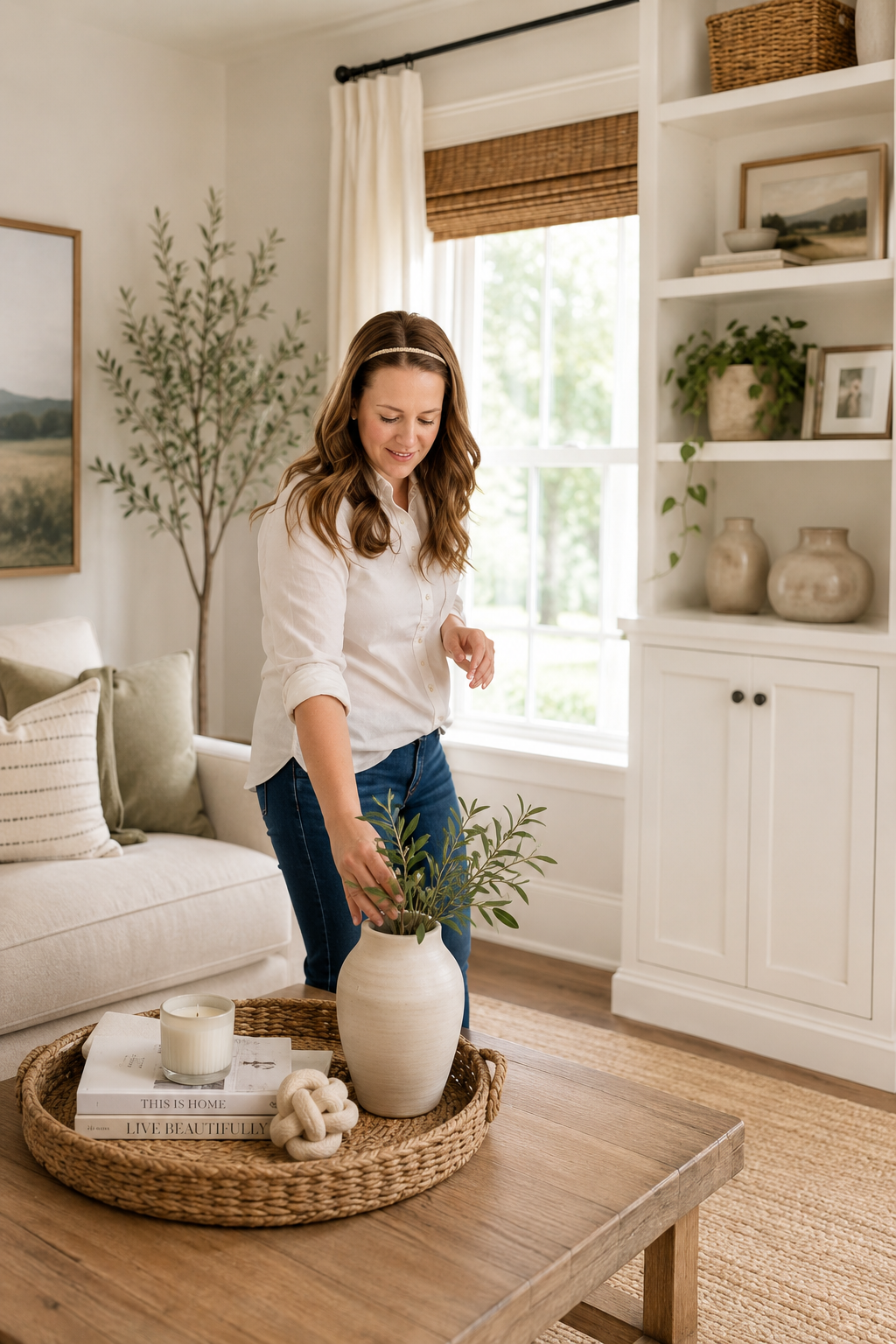

Most people don’t renovate because they’re bored. They renovate because something finally annoys them enough — a drafty window, a kitchen that fights back every time you cook, a bathroom stuck in 1998. If that sounds familiar, you’re not alone, and the good news is that not every fix requires a second mortgage. Some of the smartest home upgrades cost less than a weekend trip and quietly change how your house feels every single day.
This isn’t a list of trendy gadgets you’ll forget about in six months. It’s a practical look at which home upgrades genuinely improve your life, which ones raise resale value, and how to avoid throwing money at projects that look impressive but deliver nothing.
Why Homeowners Are Rethinking Renovations
The way people approach home upgrades has shifted. A few years ago, the focus was almost entirely cosmetic — new paint, trendy fixtures, whatever looked good on camera. Now, with energy costs climbing and more people working from home, the priorities have changed. Function matters as much as looks.
Take Priya, a graphic designer in Denver. She didn’t touch her kitchen or bathroom last year. Instead, she spent her renovation budget on better insulation and a heat pump. Her winter heating bill dropped by nearly a third. That’s the kind of home upgrade that doesn’t show up in photos but shows up in your bank account every month.
This is the mindset worth adopting: ask what actually improves daily life before deciding what to spend on.
Small Home Upgrades With Big Everyday Impact
Not every improvement needs scaffolding and a construction crew. Some of the best home upgrades are almost embarrassingly simple.
- Smart thermostats. A $150 device that learns your schedule can cut energy waste without you lifting a finger.
- Better lighting. Swapping harsh overhead bulbs for layered, warm-toned lighting changes the entire mood of a room.
- Water-efficient fixtures. New faucets and showerheads reduce water bills while actually improving pressure.
- Fresh caulking and weatherstripping. Unglamorous, but it stops drafts that silently inflate heating and cooling costs.
Consider Mark, a retired teacher in Ohio. He didn’t have the budget for a full remodel, so he focused on smaller home upgrades over a single summer — regrouting tile, replacing outdated switches, sealing gaps around doors. The total cost was under $2,000, but his home felt noticeably newer, and his energy bill dropped enough to notice within two months.
These kinds of upgrades prove a simple point: you don’t need a massive budget to make meaningful home upgrades. You need the right priorities.
Mid-Range Projects Worth the Investment
Once you move past the small fixes, the next tier of home upgrades starts delivering real, visible transformation — without hitting six-figure renovation territory.
Kitchen refreshes top this list for a reason. You don’t need to gut the entire space. Refacing cabinets instead of replacing them, upgrading countertops, and installing better task lighting can transform a kitchen for 30–40% of a full remodel’s cost.
Bathroom updates follow closely behind. New vanities, updated tile, and improved ventilation solve both aesthetic and functional problems — especially in older homes where humidity and mold are ongoing battles.
Flooring replacement is another upgrade that tenants, buyers, and homeowners alike notice immediately. Worn carpet or scratched hardwood ages a home faster than almost anything else.
A couple in Austin, Jake and Renata, decided to skip a kitchen renovation entirely and instead redid their primary bathroom and replaced flooring throughout the main floor. Their reasoning was simple: they used the bathroom and walked those floors every single day, while the kitchen, though outdated, still functioned fine. Their home upgrades were guided by usage, not trends — and it paid off both in comfort and in a stronger resale offer eighteen months later.
Home Upgrades That Increase Resale Value
If you’re planning to sell within the next few years, not all home upgrades return the same value. Real estate data consistently points to a few categories that recoup the most:
- Garage door replacement — often returns close to full cost, sometimes more.
- Minor kitchen remodels — buyers respond strongly to updated kitchens without needing a luxury overhaul.
- Exterior improvements — siding, front doors, and landscaping affect first impressions before a buyer even steps inside.
- Energy-efficient windows — appraisers and buyers both recognize long-term savings.
It’s worth noting that flashy additions — like elaborate outdoor kitchens or high-end home theaters — rarely return their full investment. They’re wonderful if you plan to enjoy them for years, but as pure resale-focused home upgrades, they underperform compared to more practical choices.
Energy-Focused Upgrades for Long-Term Savings
Utility costs aren’t going down anytime soon, which makes energy-efficient home upgrades one of the smartest long-term moves available.
Insulation upgrades, particularly in attics and crawl spaces, often get overlooked because they’re invisible once installed. But they’re consistently ranked among the highest-return home upgrades for cost savings, sometimes cutting energy bills by 15–20%.
Solar panels remain a bigger commitment, but for homeowners planning to stay put for 7+ years, the math increasingly favors installation, especially with regional incentives. Heat pumps, as Priya’s story showed earlier, offer a middle ground — a meaningful upgrade without the scale of a full solar setup.
Even something as simple as switching to smart power strips or upgrading old appliances to Energy Star-rated models adds up. These aren’t dramatic home upgrades, but their cumulative effect on monthly bills is hard to ignore.
Planning Your Upgrade Without Overspending
The biggest mistake homeowners make isn’t picking the wrong upgrade — it’s skipping the planning phase entirely. Before starting any home upgrades, a few questions save both money and regret:
- Will I be here in 3–5 years? If not, prioritize upgrades with strong resale value over personal luxury items.
- What’s actually broken versus what’s just outdated? Cosmetic dissatisfaction and functional failure require very different budgets.
- Can this be phased? Many home upgrades don’t need to happen all at once. Spreading projects over 12–18 months avoids financial strain and renovation fatigue.
- Do I need a permit or professional? Electrical, plumbing, and structural changes almost always require licensed help — cutting corners here creates expensive problems later.
A simple written plan, even a basic list ranked by priority and cost, prevents the common trap of chasing whatever upgrade looks appealing in the moment rather than what your home actually needs.
Common Mistakes to Avoid
Even well-intentioned home upgrades go wrong when people skip a few basic principles:
- Over-personalizing. Bold color choices or highly specific design styles might suit you perfectly but can hurt resale appeal.
- Ignoring the “why.” Upgrading a room because a magazine featured it, rather than because your household actually needs it, leads to wasted budgets.
- DIY overreach. Painting and simple installs are fine for most homeowners. Electrical and structural work is not the place to save money by skipping professionals.
- Forgetting maintenance. A beautiful upgrade with no maintenance plan degrades faster than an older, well-maintained feature.
Final Thoughts
Not every home needs a dramatic transformation. Sometimes the most valuable home upgrades are the quiet ones — better insulation, updated lighting, small fixes that remove daily friction. Other times, a focused mid-range project like a bathroom remodel or new flooring makes more sense than an ambitious full renovation.
The homeowners who end up happiest with their home upgrades aren’t the ones who spent the most. They’re the ones who upgraded with intention — solving real problems, choosing durable materials, and thinking beyond the next six months. Start with what genuinely bothers you about your space, and let that guide the budget, not the other way around.
read more trending blogs on world daily drift.