

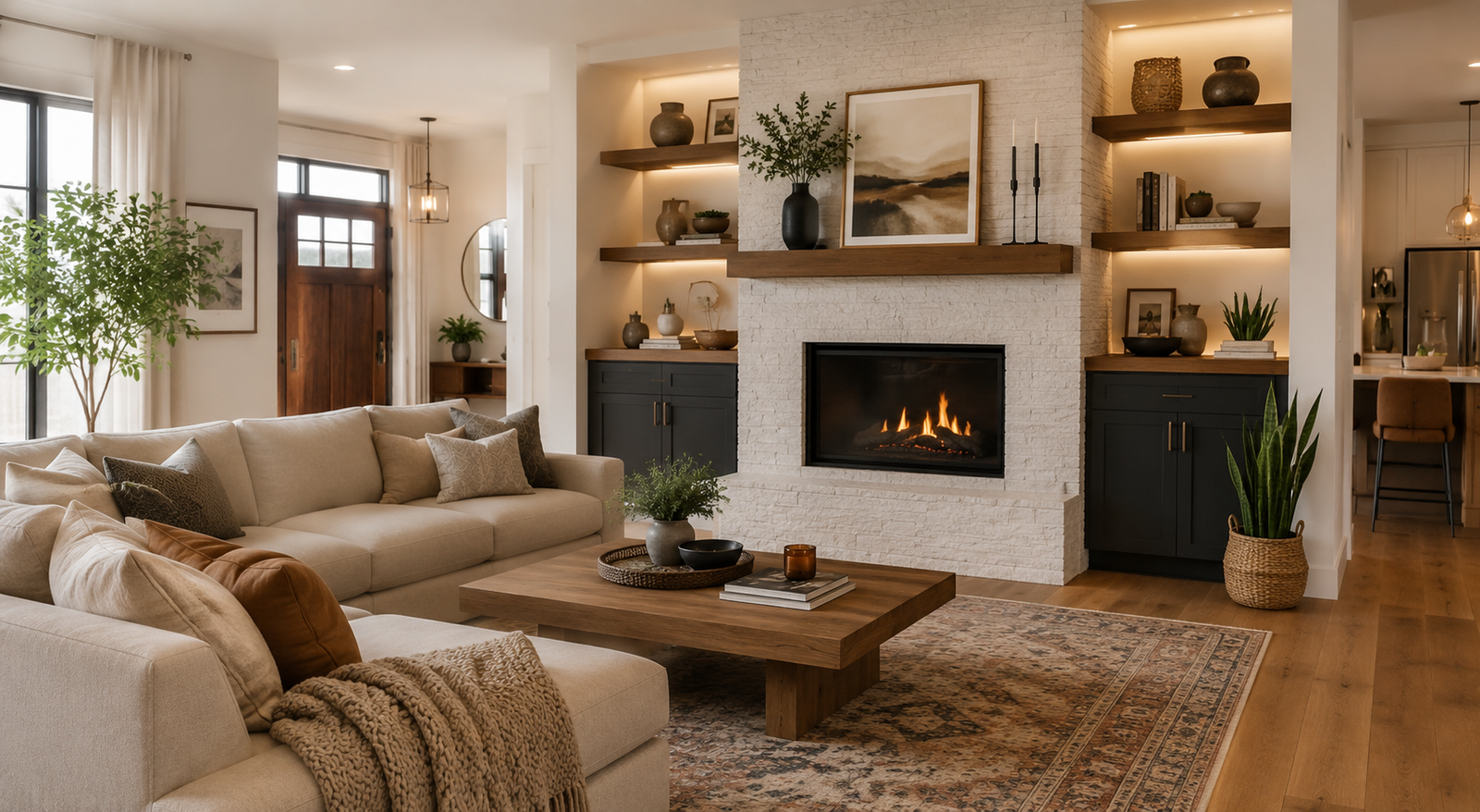
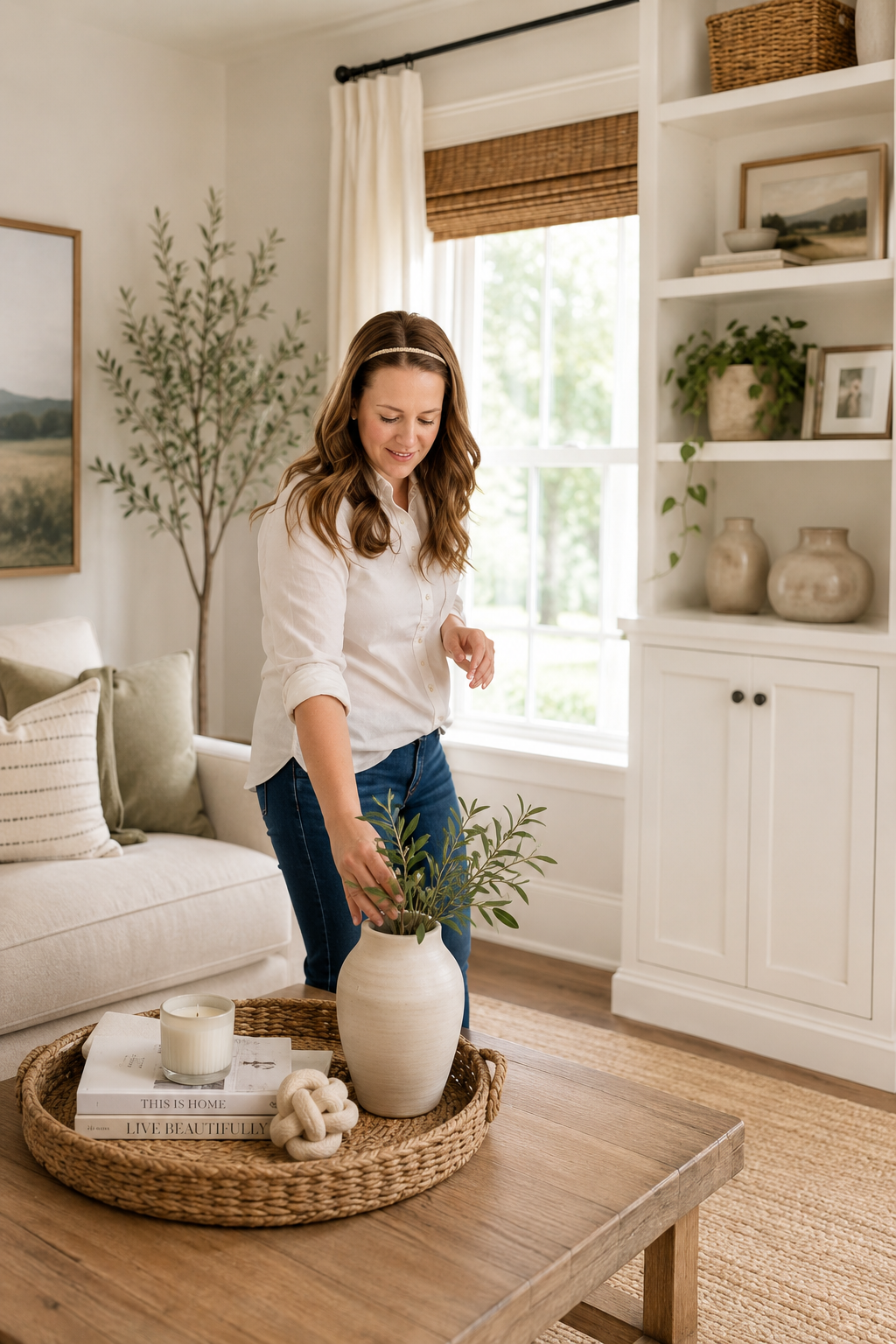

You’ve probably stood in the middle of your living room at least once, coffee going cold in your hand, wondering why the space still doesn’t feel right even though nothing is technically wrong with it. That quiet frustration is exactly why so many people search “how to decorate my house” — not because they lack taste, but because they lack a starting point. This is where the decoradhouse method comes in: a simple, room-by-room way of thinking about decor that trades Pinterest overwhelm for decisions you can actually make this weekend.
Decorating isn’t about spending a fortune or copying a showroom. It’s about understanding how you actually live, then shaping your space around that. Below is a practical breakdown of how to decorate my house using decoradhouse principles — no design degree required.
Start With How You Actually Live, Not How You Want to Look
Before buying a single throw pillow, sit with one question: what happens in this room during a normal Tuesday? A decoradhouse approach always begins here, because decor that ignores daily habits looks nice for a week and then becomes clutter.
Take Priya, a nurse who works night shifts. She spent months trying to decorate her living room like the bright, airy spaces she saw online — until she realized those rooms weren’t built for someone who needs to nap at 2 p.m. Once she added blackout curtains and swapped harsh overhead lighting for warm floor lamps, the room finally matched her real life, not an imagined one.
The lesson: decorate my house doesn’t mean decorate an Instagram version of my house. It means decorating the one I actually live in.
Build a Simple Color Story First
One of the fastest ways to make any home look pulled-together is to commit to a color story before buying anything else. Most decoradhouse transformations fail not because of bad furniture but because of colors that fight each other room to room.
Pick three colors: a neutral base (white, beige, greige), a dominant secondary color, and one accent tone used sparingly. That’s it. You don’t need five colors competing for attention.
Example: Mark and his partner turned their beige rental into something that felt intentional by sticking to warm white walls, sage green textiles, and terracotta accents in just three spots — a vase, a cushion, and a rug border. Nothing expensive changed hands; the transformation came from restraint, not spending.
Decorate Room by Room, Not All at Once
A common mistake when people try to decorate my house in one weekend is attempting every room simultaneously. It’s exhausting, it’s expensive, and it rarely looks cohesive. The decoradhouse method encourages sequencing:
- Living room — the space guests see first and family uses most
- Bedroom — your recovery zone, so comfort beats style here
- Kitchen — small functional upgrades matter more than decor
- Bathroom — quick wins with towels, mats, and lighting
- Entryway — the “first impression” zone, often ignored
Working through rooms in this order means each space gets full attention, and you’re not left with a half-finished house because motivation ran out by week two.
Furniture Placement Matters More Than Furniture Price
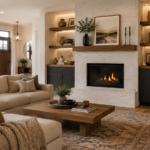
People often assume decorating means buying new furniture. In reality, most rooms improve dramatically just by rearranging what’s already there. A decoradhouse principle worth memorizing: furniture should support conversation and movement, not block it.
Pull sofas away from the wall if the room allows it. Angle chairs toward each other instead of lining them up like a waiting room. Leave clear walking paths so the space breathes.
Example: Elena’s apartment felt cramped for two years until she simply turned her sofa 45 degrees away from the television and toward the window instead. No new purchases — just a different relationship between the furniture and the light. The room suddenly felt twice as large.
Layer Your Lighting Like a Professional
Nothing ages a home faster than a single overhead light doing all the work. If you want to decorate my house so it feels warm rather than clinical, layer three types of lighting in every main room:
- Ambient light — general room lighting (ceiling fixture or natural light)
- Task light — reading lamps, kitchen under-cabinet lights, desk lamps
- Accent light — small lamps, string lights, or candles that add mood
This is one of the cheapest decoradhouse upgrades with the biggest visible impact. A $20 lamp on a side table can do more for a room’s atmosphere than a $500 sofa.
Texture Is the Secret Most People Skip
Color gets all the attention, but texture is what makes a room feel finished. A monochrome room with varied textures — a chunky knit throw, a woven basket, a smooth ceramic vase, a nubby rug — looks intentional even without bold color choices.
When people try to decorate my house and it still feels flat, texture is usually the missing ingredient. Mix at least three textures per room: something soft (fabric), something hard (wood or ceramic), and something natural (plants, rattan, stone).
Use What You Already Own Before Buying Anything New
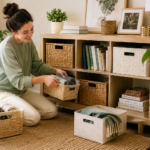
Before adding anything to your cart, walk through your entire house and collect items you’ve forgotten about — a vase in a closet, artwork leaning against a wall, extra cushions in storage. Decoradhouse thinking always starts with an inventory, because most homes already contain 60–70% of what they need; the pieces are just in the wrong rooms.
Example: Tomás thought he needed new wall art for his home office until he realized a framed print gathering dust in his garage matched the room perfectly once reframed. Total cost: a $12 frame, not a $150 painting.
Add Personal Objects, Not Just Trendy Ones
A house full of trending decor items but zero personal touches ends up feeling like a hotel room. The most memorable homes mix design principles with objects that mean something — travel souvenirs, handmade pottery, family photos, books you’ve actually read.
When figuring out how to decorate my house in a way that feels like yours, ask: if a stranger walked through, would they learn anything true about the people who live here? If the honest answer is no, it’s time to swap a few generic pieces for personal ones.
Don’t Ignore the Ceiling and Floor
Most decorating advice obsesses over walls and furniture while ignoring the two largest surfaces in any room: the ceiling and the floor. A patterned rug can anchor an entire room’s color story, while a painted ceiling (even a soft off-white instead of stark white) adds warmth that’s easy to miss until it’s done.
This is a small but effective decoradhouse trick — look up and look down before deciding a room is “finished.”
Budget-Friendly Doesn’t Mean Cheap-Looking
A tight budget is one of the biggest reasons people delay decorating altogether. But decoradhouse principles prove that budget constraints often produce better results than unlimited spending, because they force intentional choices instead of impulse ones.
Focus your money on a few statement pieces — a good rug, quality lighting, one well-made sofa — and save on things that don’t need to be expensive, like curtains, small decor accents, and wall art you can print or DIY yourself.
Finish With the Small Details That Tie It Together
Once the big furniture and color decisions are settled, the final 10% is what makes a house feel decorated rather than just furnished:
- Fresh greenery, even if it’s a single plant per room
- Matching hardware on cabinets and drawers
- Coordinated (not identical) throw pillow covers
- A tray on the coffee table to corral remotes and clutter
- Scented candles or diffusers for a sensory layer
These finishing touches are often what people mean when they say a home “just feels put together,” and they’re usually the cheapest part of the entire process.
Final Thoughts
Learning how to decorate my house doesn’t require expensive designers or a complete furniture overhaul. The decoradhouse method works because it prioritizes function first, color second, and personality throughout — turning decoration into a series of small, doable decisions rather than one overwhelming project.
Start with one room. Apply the color story, fix the lighting, rearrange before you buy, and add texture and personal objects last. Do that consistently, room by room, and your house won’t just look decorated — it will finally feel like home.
read more trendig blogs on world daily drift.